
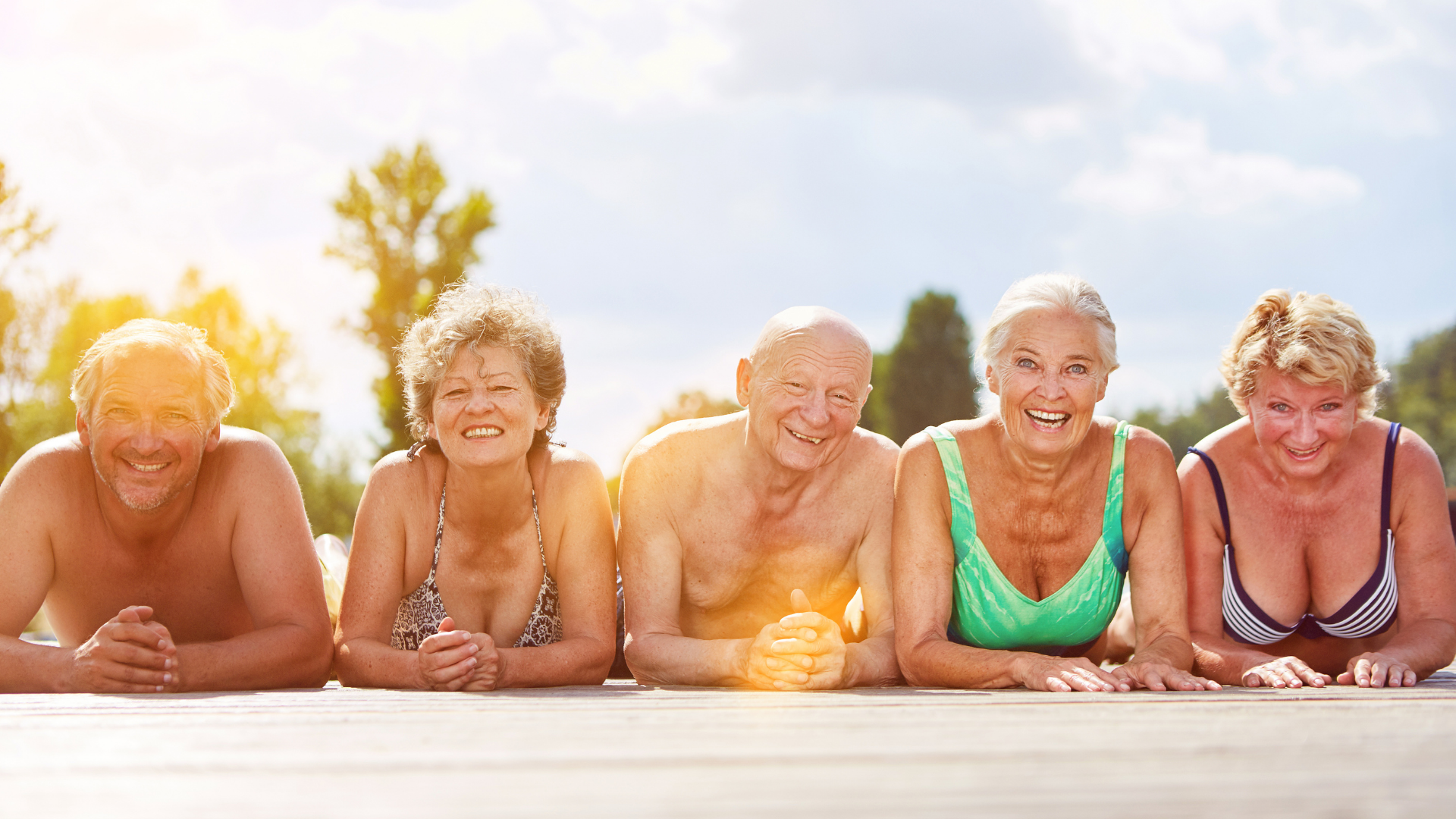
Spending time outdoors is one of the best ways to stay active, connect with nature, and enjoy the warmer months. Whether you're gardening, walking with friends, or relaxing on the patio, sunshine can boost your mood and support overall well-being.
However, as we age, our skin becomes thinner and more vulnerable to the sun's harmful ultraviolet (UV) rays. Older adults are also more likely to take medications that can increase sensitivity to sunlight, making sun protection more important than ever. Fortunately, a few simple habits can help you enjoy the outdoors safely.
Why Sun Safety Matters
Too much exposure to UV rays can lead to:
Painful sunburns
Eye damage, such as cataracts
An increased risk of skin cancer
UV rays are present year-round, not just on hot summer days. They can reflect off water, sand, concrete, and even snow, increasing your exposure even when it's cloudy. That's why sun protection should be part of your daily routine whenever the UV Index is 3 or higher.
Dress for Protection
One of the easiest ways to protect your skin is by covering up.
Choose:
Lightweight, long-sleeved shirts and long pants made from breathable fabrics
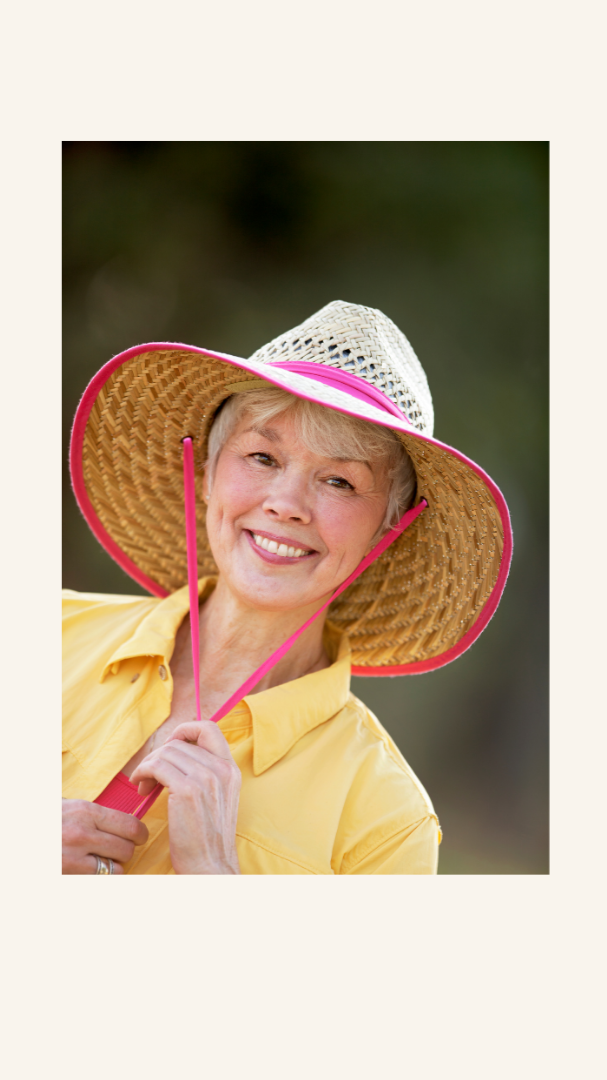
A wide-brimmed hat that shades your face, ears, and neck
Sunglasses that block 100% of both UVA and UVB rays to help protect your eyes
Protective clothing offers reliable, all-day coverage without needing to be reapplied.
Don't Forget the Sunscreen
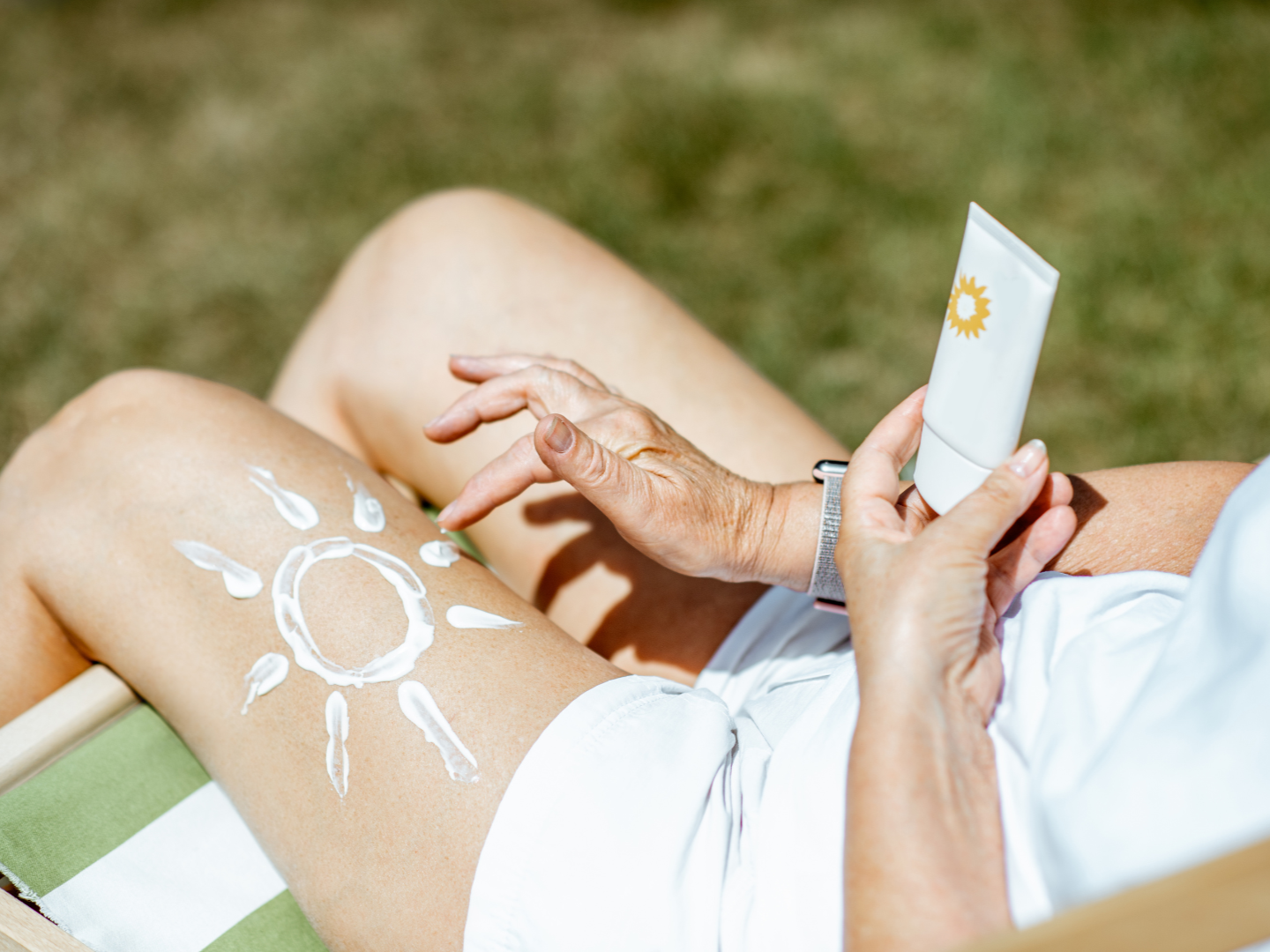
Sunscreen is an important part of your sun safety routine, even if you're only outside for a short time.
For the best protection:
Use a broad-spectrum sunscreen with SPF 30 or higher.
Apply it generously to all exposed skin about 15 minutes before going outside.
Reapply every two hours, or more often if you're swimming or sweating.
Remember often-missed spots like your ears, the back of your neck, the tops of your feet, and the backs of your hands.
Sunscreen works best when combined with protective clothing and shade—not as your only line of defense.
Plan Around Peak Sun Hours
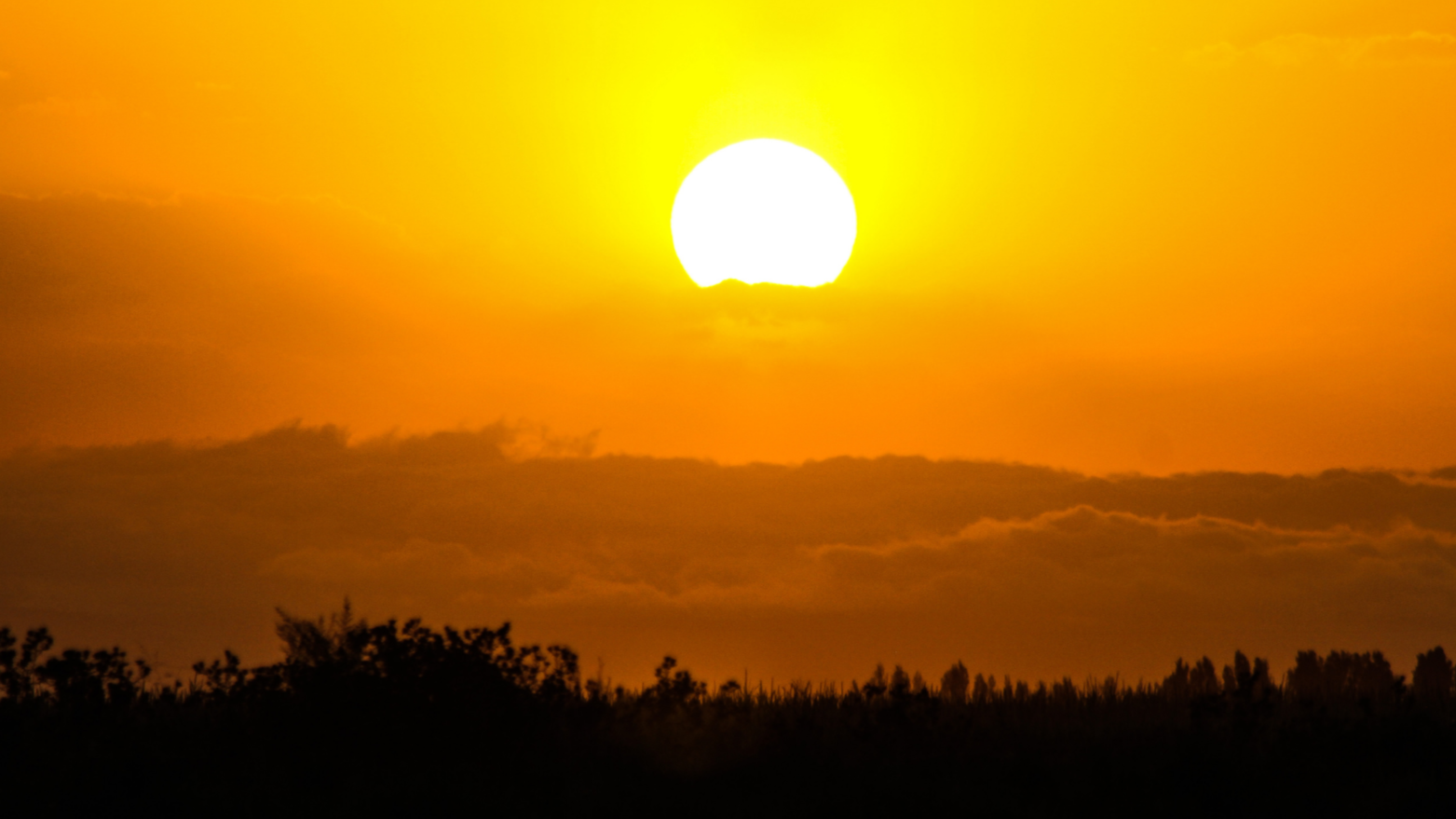
The sun's rays are strongest between 11 a.m. and 3 p.m.
If possible:
Schedule outdoor activities in the early morning or later in the afternoon.
Take breaks in the shade under trees, umbrellas, or covered patios.
If your shadow is shorter than you are, the sun is especially strong, and it's time to seek extra protection.
Checking your local UV Index can help you plan safer outdoor activities.
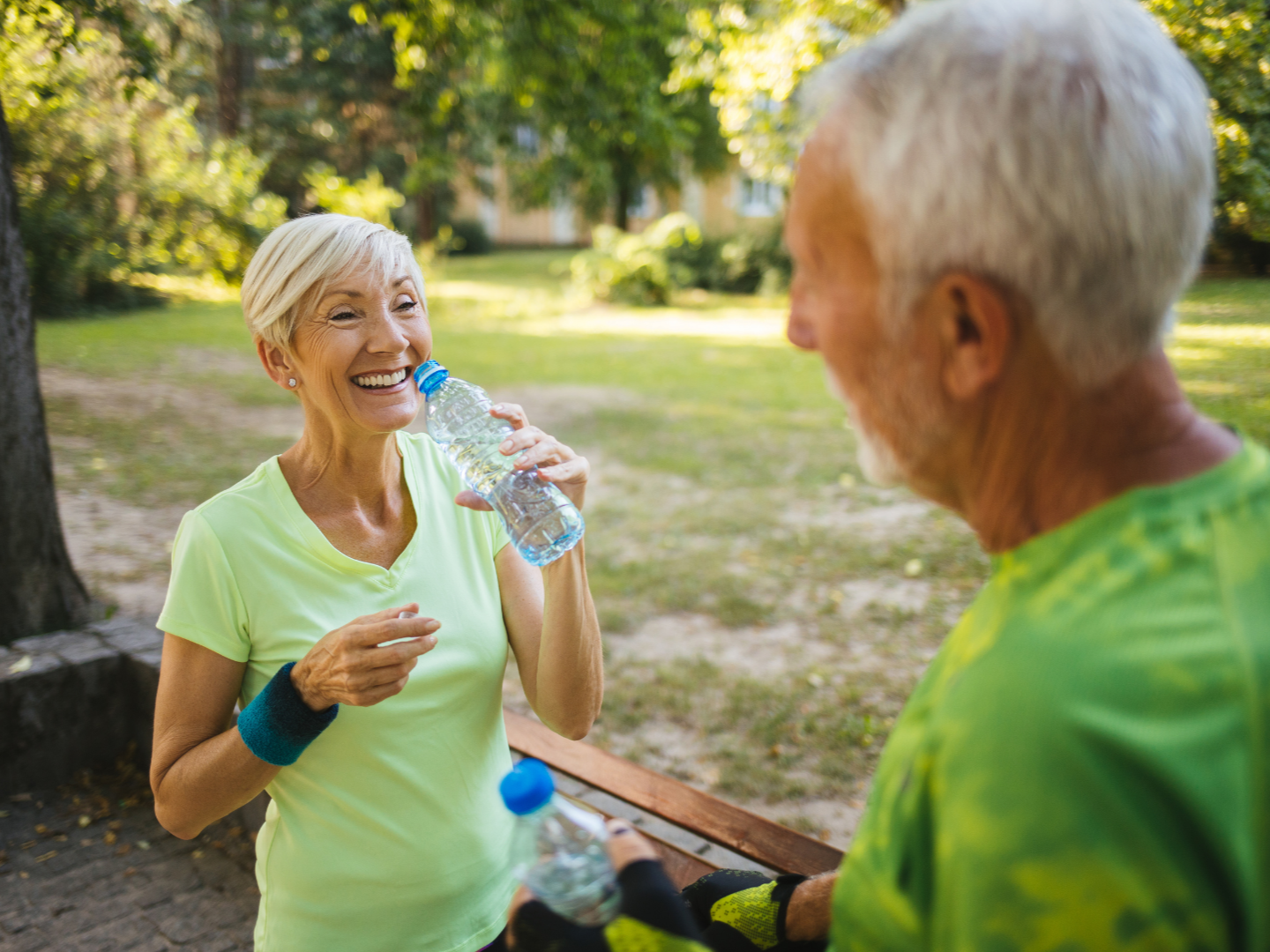
Stay Cool and Hydrated
Hot weather can be especially challenging for older adults. As we age, our bodies become less efficient at regulating temperature, increasing the risk of heat exhaustion and heat stroke.
To stay safe:
Drink water regularly, even if you don't feel thirsty.
Rest in cool or air-conditioned spaces during the hottest part of the day.
Watch for signs of heat-related illness, including dizziness, headache, nausea, confusion, or unusual fatigue.
Be Aware of Medication Sensitivity
Many common medications, including certain antibiotics, blood pressure medications, diuretics, and anti-inflammatory drugs, can make your skin more sensitive to sunlight.
If you take prescription medications, ask your healthcare provider or pharmacist whether they increase your sensitivity to UV rays or heat and whether additional precautions are recommended.
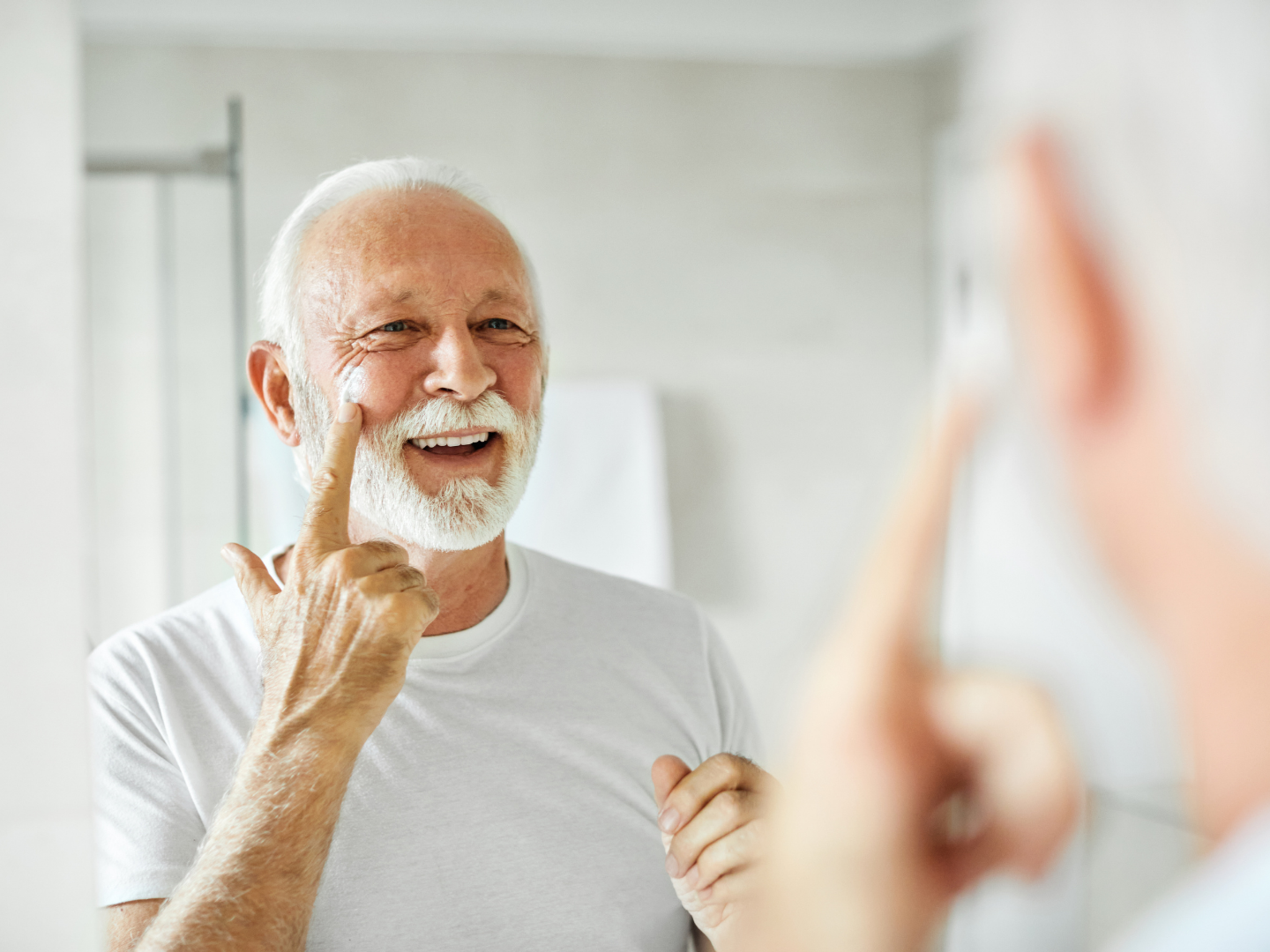
Check Your Skin Regularly
Early detection plays an important role in treating skin cancer.
Take a few minutes each month to look for:
New moles or spots
Changes in the size, colour, or shape of existing moles
Sores that don't heal
Spots that itch, bleed, or crust over
If you notice anything unusual, schedule an appointment with your healthcare provider or dermatologist.
Enjoy the Outdoors Safely
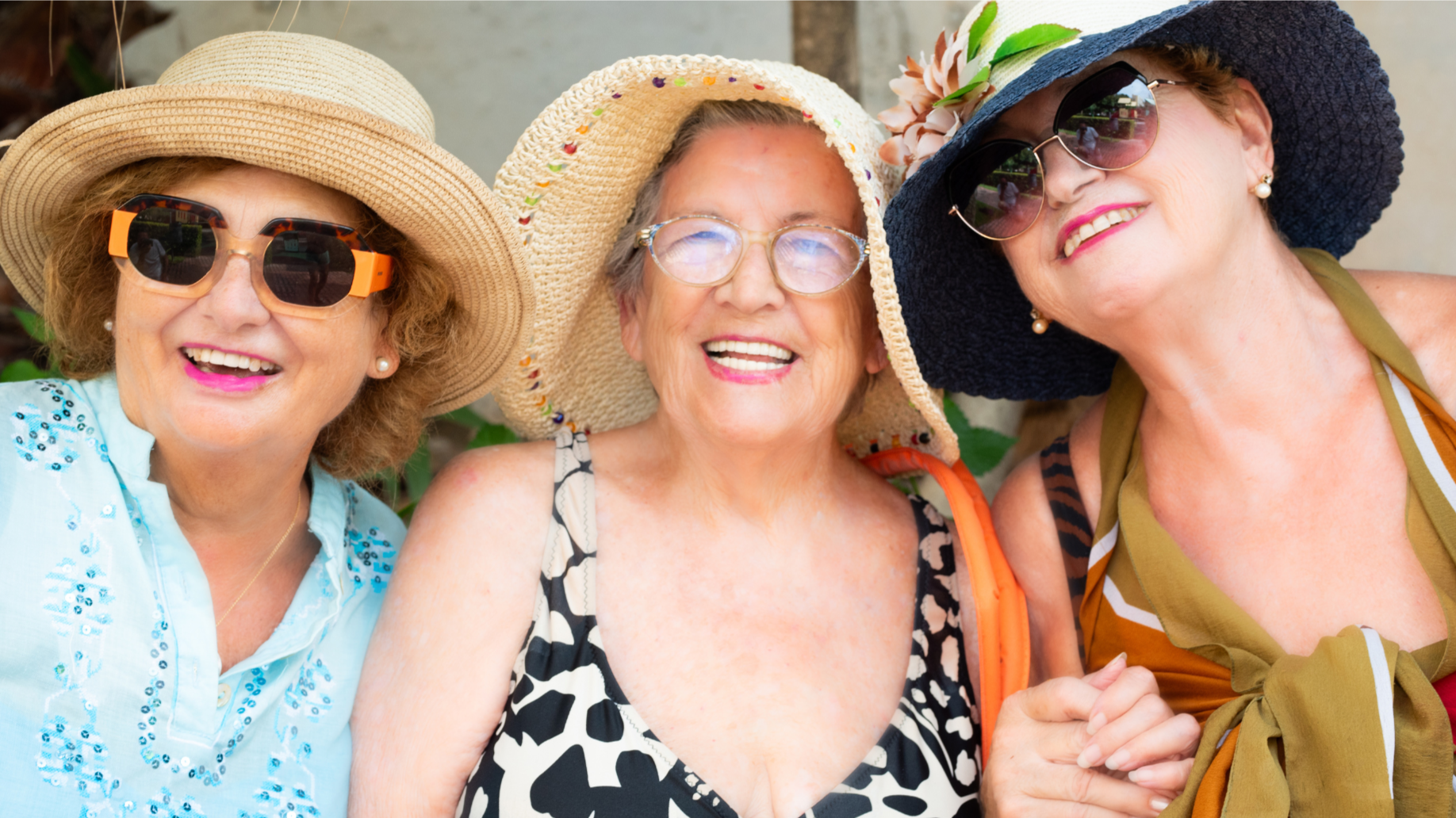
Spending time outside offers many physical and mental health benefits, and you don't have to avoid the sun completely to stay safe. By wearing protective clothing, applying sunscreen, staying hydrated, seeking shade, and planning around peak UV hours, you can continue enjoying your favourite outdoor activities with confidence.
A little preparation goes a long way toward keeping your skin healthy and helping you make the most of every sunny day.
Sources
https://www.canada.ca/en/health-canada/services/sun-safety/sun-safety-basics.html
https://circleofcare.com/heat-sun-safety-for-seniors-staying-safe-during-hot-weather/
https://www.allseniorscare.com/advice/sun-awareness-month-keeping-seniors-safe-in-the-sun/
https://www.skincancer.org/get-involved/skin-cancer-awareness-month/toolkit/
https://dermatology.ca/public-patients/sun-protection/sun-safety-every-day/